An eleventh translation, and Skald is now free to start
Version 0.6.1 is live on the App Store and Google Play. Two things change with it. William Cullen Bryant’s 1871 Odyssey joins the reader, bringing it to eleven translations beside the Greek. And Skald is now free to download: Books I, II and IX are open to everyone, with a single one-time purchase for the remaining twenty-one.
William Cullen Bryant’s Odyssey, 1871
Bryant was America’s most read poet before he was Homer’s translator, and he came to the Odyssey late, finishing it in 1871 after his Iliad. He wrote it in blank verse — unrhymed iambic pentameter — which lets the line follow the sentence instead of the other way round. Set it beside Pope, whose 1726 version rhymes in heroic couplets, and the difference is immediate: Pope closes every second line with a chime, Bryant lets a thought run until it is finished.
He also fills a real gap. Until now the English verse in Skald jumped from Cowper in 1791 straight to Ian Johnston in 2002. Bryant is the only nineteenth-century English verse Odyssey here, and he sits squarely in the middle of that span — a Victorian-era ear on the poem, plainer than the eighteenth century and older than anything modern.
Bryant is complete for all twenty-four books. Open the reading-source dropdown at the top of a book and you will find him under Translations, in date order between Cowper and Johnston. The Greek keeps its own tab, so you can set the original beside Bryant exactly as beside any other translation.
Free to start, one purchase for the rest
Skald no longer costs anything to download. Book I, Book II and Book IX — the opening of the poem, and the Cyclops — are free to read in full, in every translation and every reading depth, with the Greek, the museum art, the map and the glossary all present. If you want the other twenty-one books, a single purchase unlocks them permanently: US$7.99, shown in your own currency by the store.
It is one payment, not a subscription. There is no account, no advertising in the app, and nothing to set up.
If you already bought Skald, nothing changes and you need do nothing. Your library stays complete. The app recognises earlier purchases on its own, so there is no code to enter and no restore to run — open it and everything is where you left it.
Everything else is where it was
No artwork changed in this release. The museum collection, the voyage map, the fleet, the glossary and the passage notes are all as they were — and the Greek now runs beside eleven public-domain translations rather than ten.
Four new reading plates, and Princeton joins the museum
Version 0.5.0 is live on the App Store and Google Play. Ten artworks join the collection, four of them placed beside the exact lines they illustrate, and one arrives from a museum that had not appeared in Skald before.
Four artworks beside the lines they illustrate
Most museum pieces in Skald live in the gallery, where you can browse the whole collection. A smaller set is anchored to a Homeric line number, so the artwork appears beside the passage itself — in every reading depth, in the Greek, and in all ten translations. Four of the new arrivals are anchored that way.
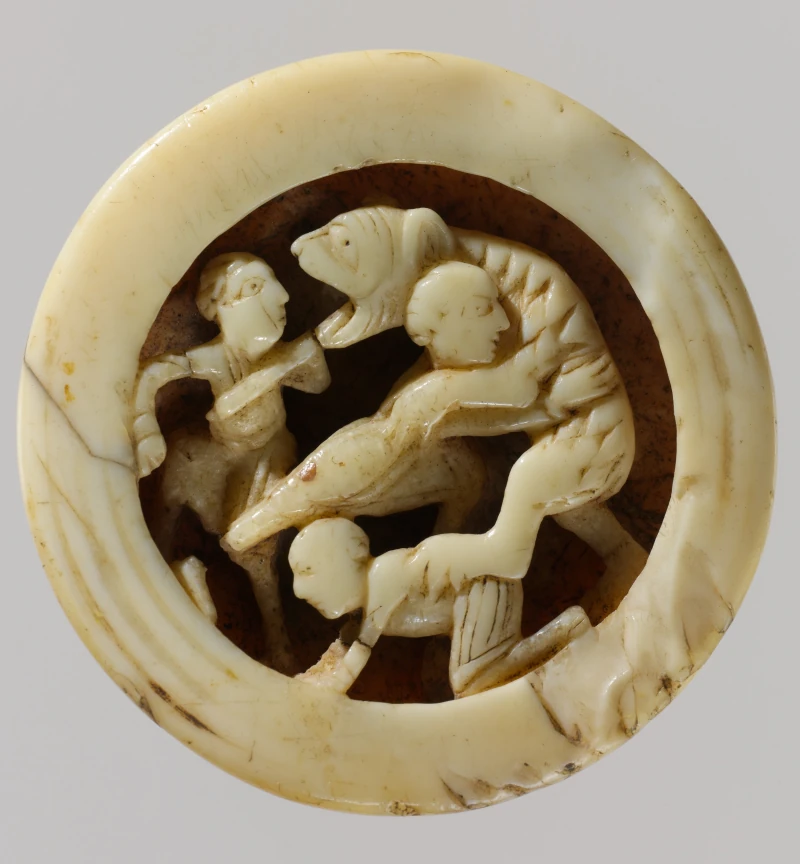
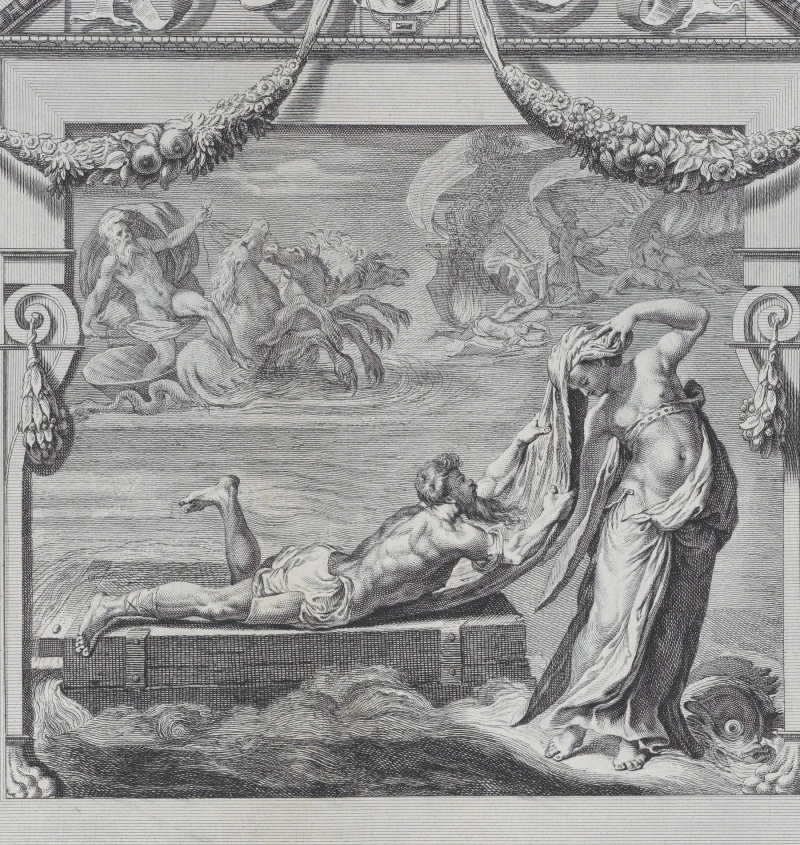
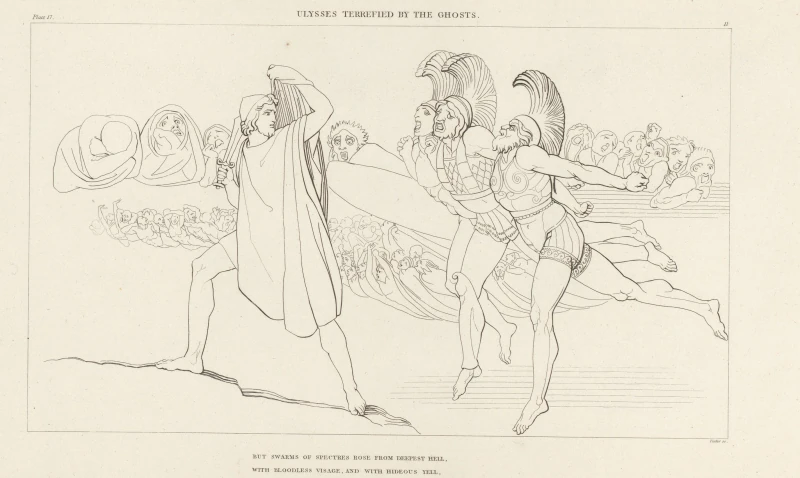
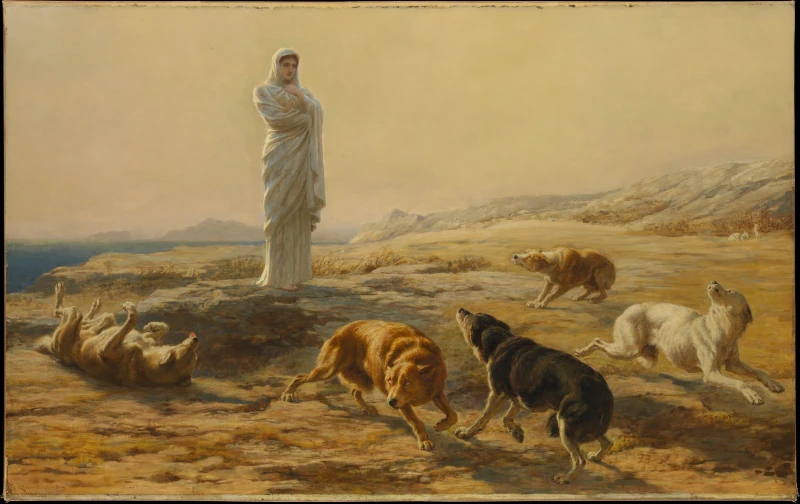
In Book 4, Menelaus and his companions hold the shape-shifting Proteus until he gives up the way home; the scene survives on a walrus ivory game piece carved nearly nine hundred years ago. In Book 5, Leucothea reaches Odysseus through the storm and gives him the veil that carries him ashore. In Book 11, Elpenor’s ghost is the first of the shades to speak. And in Book 16, Athena stands at the farm where only Odysseus and the dogs can see her.
Princeton University Art Museum, and four more collections
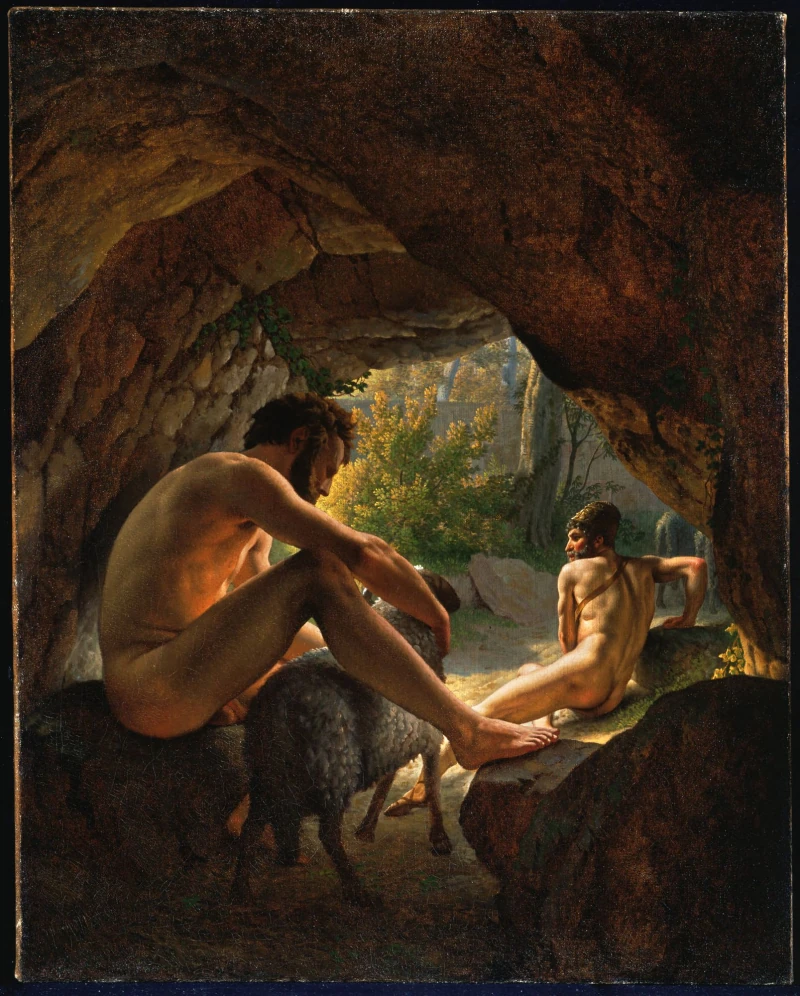
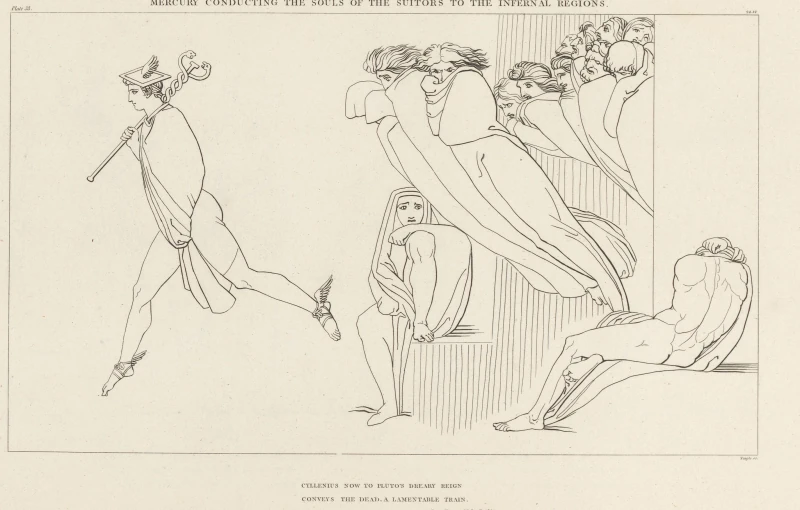
Eckersberg’s Ulysses Fleeing the Cave of Polyphemus (1812) is the first work in Skald from the Princeton University Art Museum. Alongside it, new pieces arrive from Cooper Hewitt, Smithsonian Design Museum, The Metropolitan Museum of Art, the National Gallery of Art, and the Rijksmuseum — a Roman coin that carries Odysseus and his old dog Argus, a red-figure jug whose weathered archer is probably Odysseus with the bow, and Flaxman’s Hermes leading the suitors’ souls down to Hades in the poem’s final book.
Game Piece with Menelaus and Companions Battling Proteus North French · ca. 1125–50 · walrus ivoryIn Skald: Book 4, line 456 — Menelaus and his men hold the shape-shifting sea-god until he tells them the way home.The Metropolitan Museum of Art
Plate 26: Ulysses escaping on a raft with the aid of the sea deity Leucothea Bartolomeo Crivellari, after Pellegrino Tibaldi · 1756In Skald: Book 5, line 351 — Leucothea reaches the storm-battered Odysseus and gives him the veil that will carry him ashore.The Metropolitan Museum of Art
Ulysses Terrified by the Ghosts James Parker, after John Flaxman · 1805In Skald: Book 11, line 71 — sword in hand, Odysseus faces the shades; Elpenor speaks first, asking for burial.Rijksmuseum, Amsterdam
Pallas Athena and the Herdsman’s Dogs Briton Rivière · 1876In Skald: Book 16, line 160 — Athena appears at the farm, seen by Odysseus but not Telemachus; the dogs slink away whining.The Metropolitan Museum of Art
Ulysses Fleeing the Cave of Polyphemus Christoffer Wilhelm Eckersberg · 1812In Skald: Book 9 — blinded Polyphemus gropes through the dark while Odysseus, last to leave, slips out beneath the sheep.Princeton University Art Museum
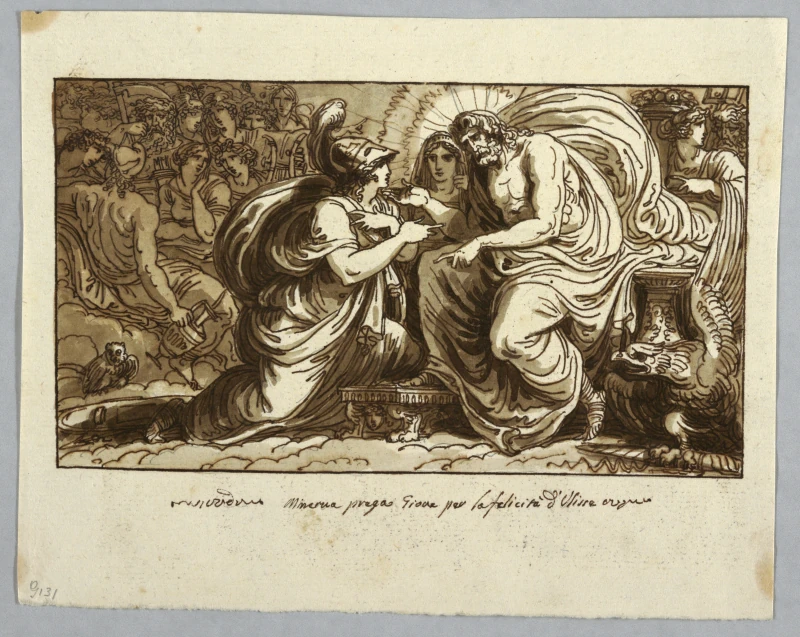
Minerva Asking Jupiter for the Happiness of Ulysses Felice Giani · 1802–1805In Skald: Book 1 — Athena asks Zeus to remember the stranded Odysseus, and the homecoming begins.Cooper Hewitt, Smithsonian Design Museum
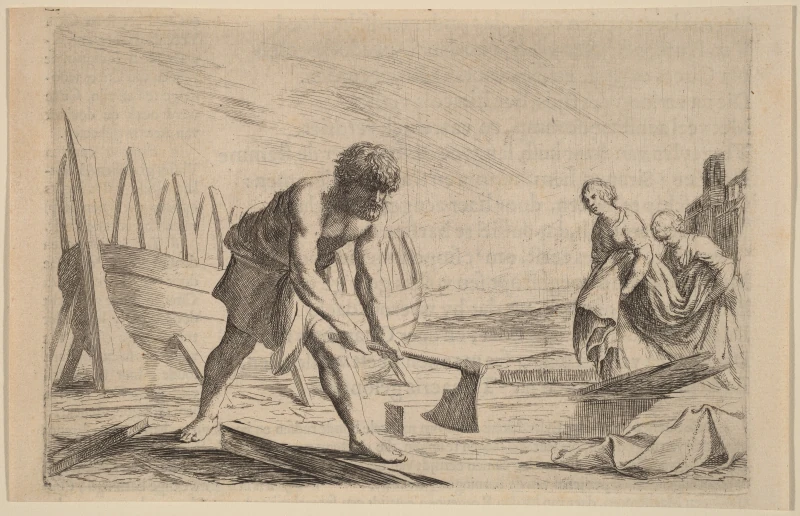
Ulysses on the Island of the Goddess Calypso Willem Basse · 1634In Skald: Book 5 — axe in both hands, Odysseus shapes the timbers of the raft that will carry him off Calypso’s island.National Gallery of Art, Washington
Mercury Conducting the Souls of the Suitors to the Infernal Regions James Parker, after John Flaxman · 1805In Skald: Book 24 — Hermes calls up the slain suitors and leads them toward Hades, the shades squeaking thinly like bats.Rijksmuseum, Amsterdam
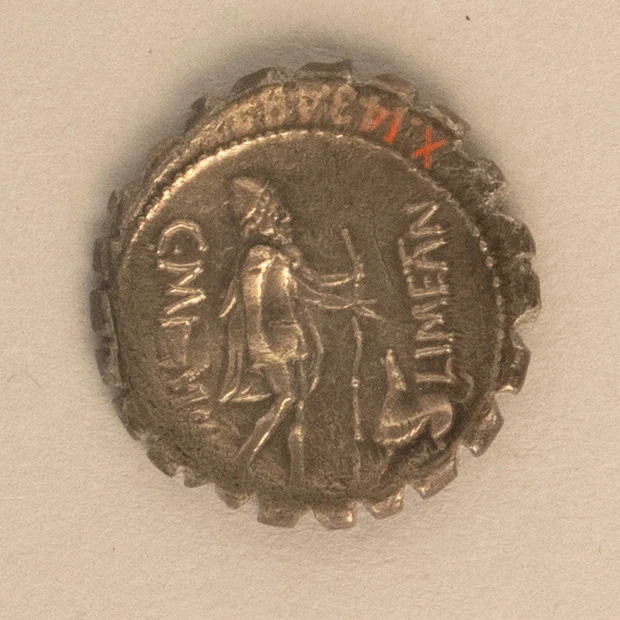
Silver denarius serratus of Mamilius Limetanus Roman · 82 BCEIn Skald: Book 17 — on the reverse, Odysseus beside Argus, the old dog who knows him through the disguise.The Metropolitan Museum of Art
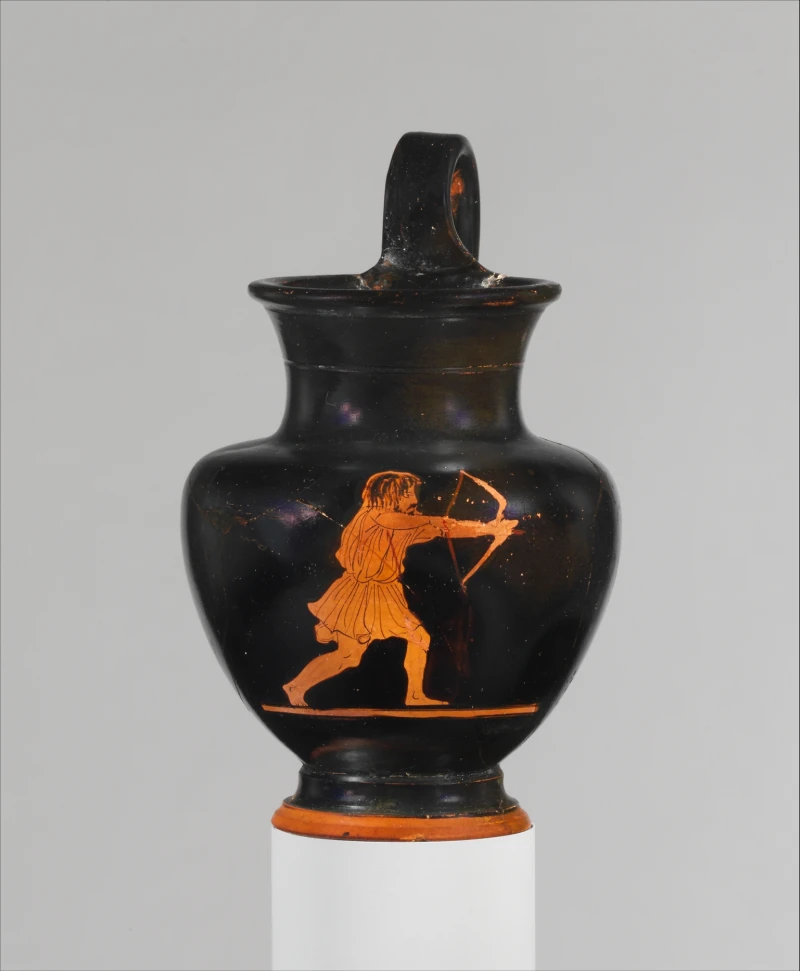
Terracotta oinochoe (jug) Attributed to the Disney Painter · ca. 430–420 BCEIn Skald: Book 22 — a weathered archer, probably Odysseus, at the moment the bow is finally his again.The Metropolitan Museum of Art
Why the totals did not move
Ten works joined this release, and ten records left it. While preparing the update we found duplicate entries in the catalog — the same artwork held under more than one identity — and merged them. So the museum catalog still stands at 178 works with full records across 49 collections, and the app holds more than two hundred historical artworks in all. The collection is slightly larger than the count suggests, and considerably tidier.
Reading on larger tablets
Larger tablets get better layouts and more comfortable type. The Greek still runs beside ten public-domain translations, and every artwork keeps its source and rights details.
A tenth translation, and the museum grows to 178 works
Ian Johnston's modern verse Odyssey
Skald's tenth translation is its first modern English rendering: Ian Johnston's verse translation (2002), dedicated to the public domain by its translator in January 2024. It joins the nine historical translations in the same aligned reader — aligned to the Greek using Homeric line numbers, so tappable concepts and museum art carry over to Johnston's wording across all 24 books.
Twenty-seven museum artworks join the collection
27 museum artworks join the collection — 178 pieces in all, from the Met and the Art Institute of Chicago to new arrivals from museums in Prague, Baltimore, and Leipzig. 15 of the new pieces also appear as art plates beside related passages in the text. Every artwork keeps its source and rights details.
Three collections appear in Skald for the first time: the National Gallery Prague, The Walters Art Museum in Baltimore, and Friedrich Preller’s Odyssey fresco cycle from the Römisches Haus in Leipzig. Books 16 and 20 receive their first artifact-linked reading plates — the reunion of father and son, and the thunder omen before the bow.
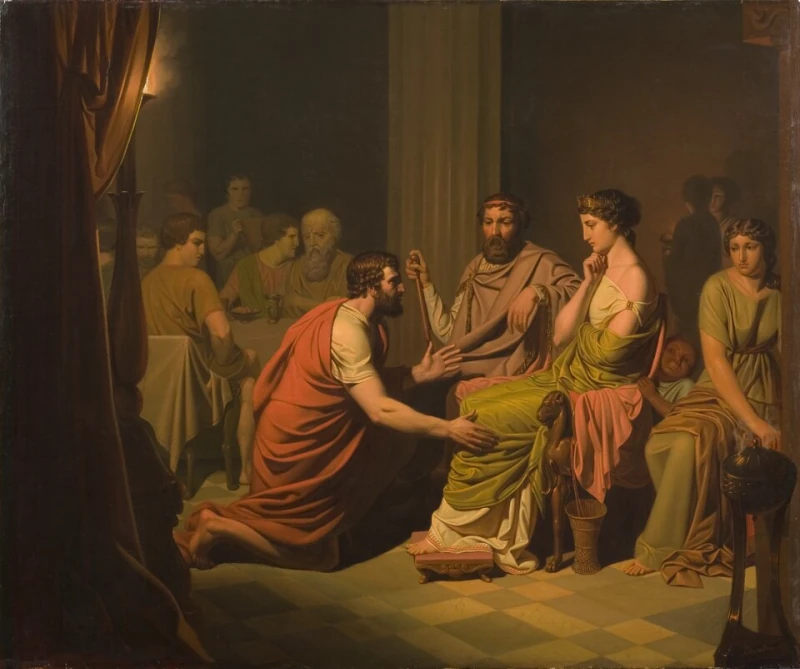
Odysseus before Alcinous, King of the Phaeacians August Malmström · 1853In Skald: Book 7, line 142 — Odysseus supplicates Queen Arete and King Alcinous at the hearth.Nationalmuseum, Stockholm
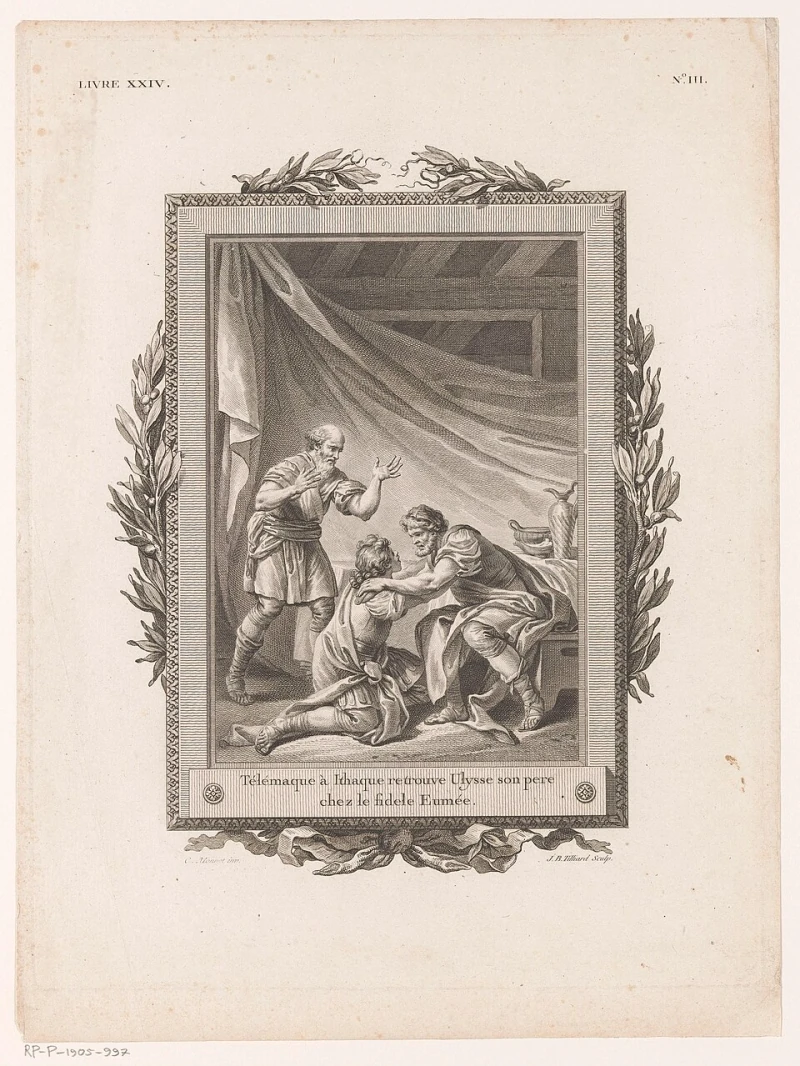
Telemachus and Odysseus Reunited on Ithaca Jean-Baptiste Tilliard, after Charles Monnet · 1785In Skald: Book 16, line 214 — father and son embrace at last in the swineherd’s hut.Rijksmuseum, Amsterdam
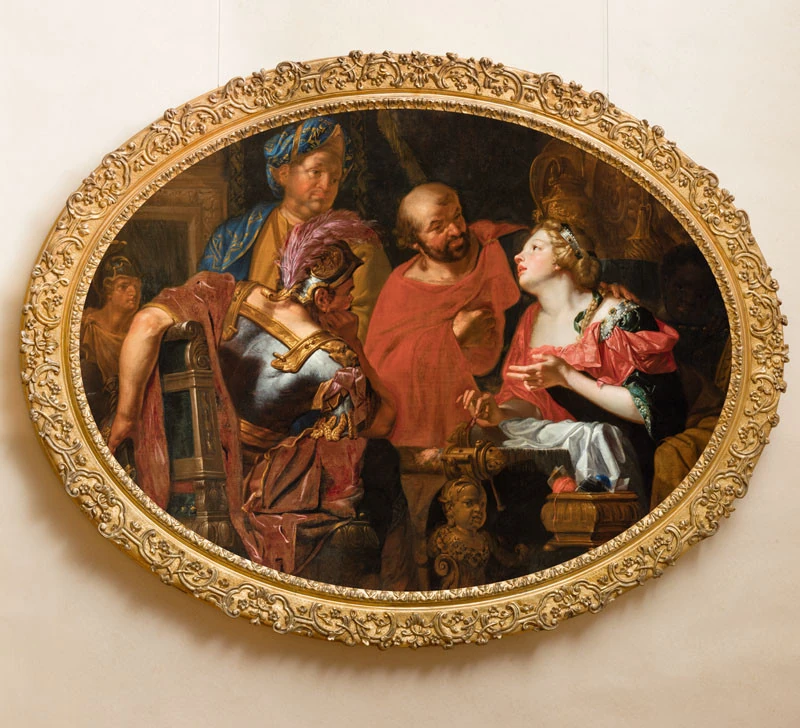
Penelope and Her Suitors Johann Rudolf Byss · 1692In Skald: Book 18, line 275 — Penelope draws gifts from the suitors while holding them off.National Gallery Prague
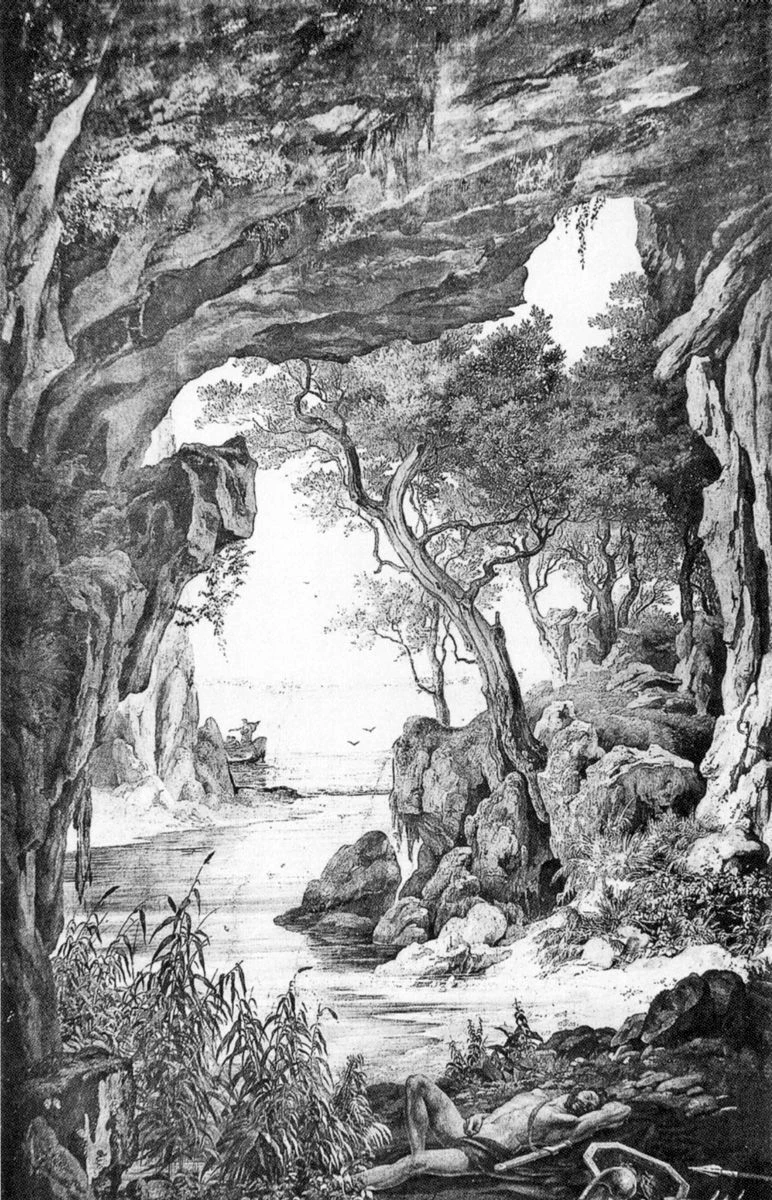
Arrival at Ithaca (Ankunft auf Ithaka) Friedrich Preller the Elder · c. 1832–34In Skald: Book 13, line 117 — Odysseus is set ashore asleep on Ithaca, home at last without knowing it.Römisches Haus, Leipzig
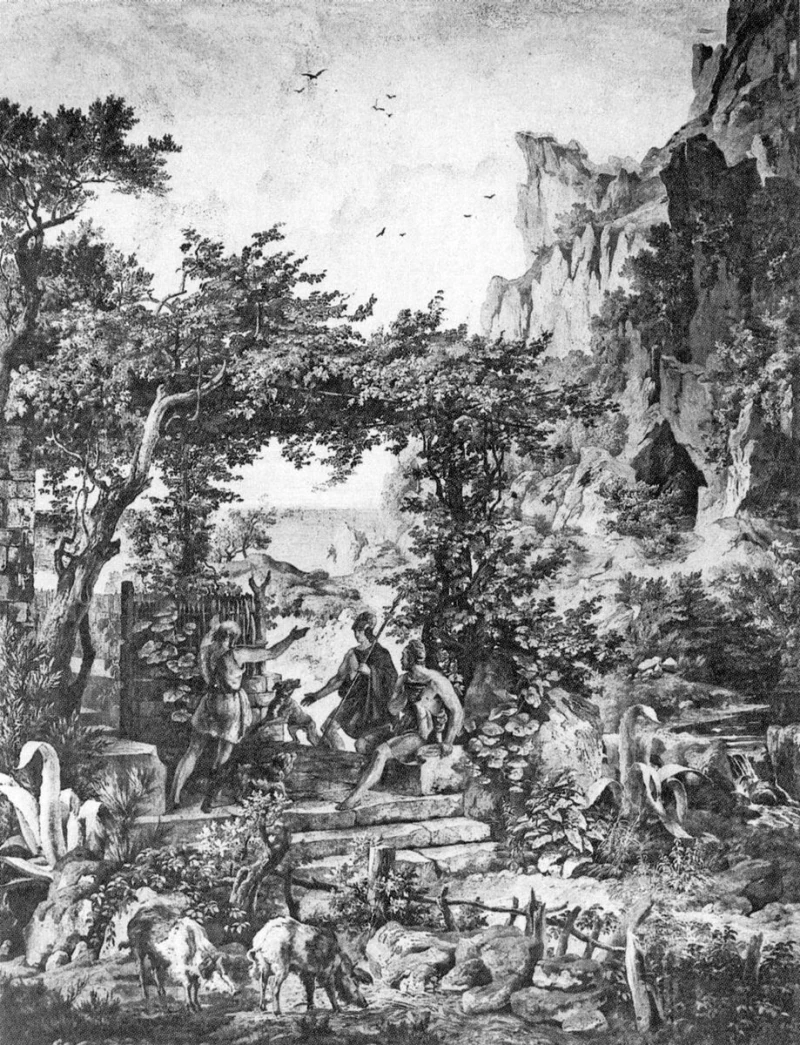
Telemachus Arrives at the Hut of Eumaeus (Bei Eumaios) Friedrich Preller the Elder · c. 1832–34In Skald: Book 16, line 12 — Eumaeus greets the returning Telemachus while the disguised Odysseus looks on.Römisches Haus, Leipzig
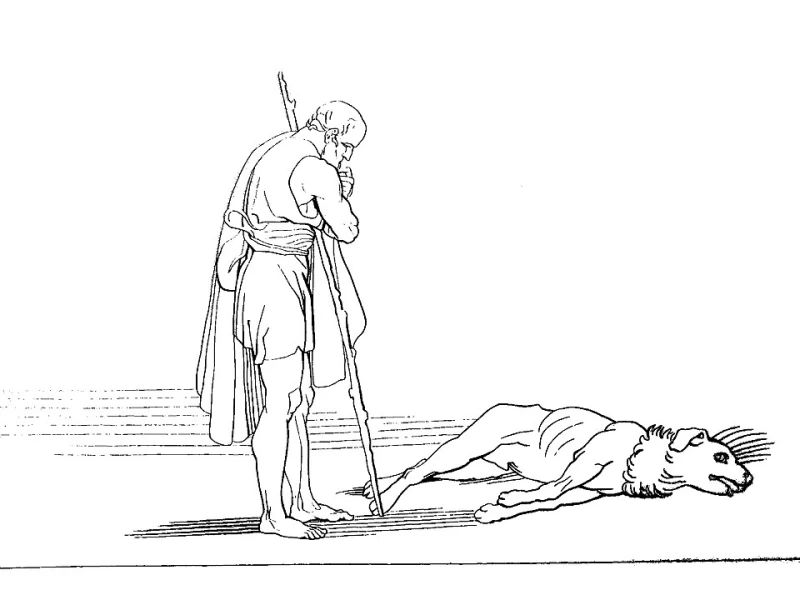
Ulysses and His Dog Argus (from The Odyssey of Homer) After John Flaxman · after a design of 1793In Skald: Book 17, line 302 — old Argus knows his master again after twenty years.The Metropolitan Museum of Art
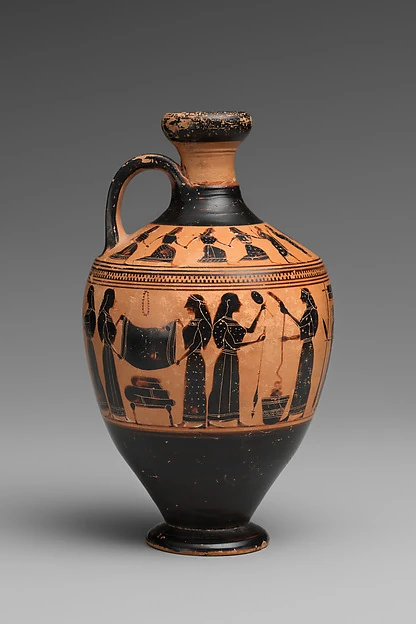
Terracotta lekythos (oil flask) Attributed to the Amasis Painter · ca. 550–530 BCEIn Skald: Book 1, line 357 (also Books 2 & 19) — Telemachus sends Penelope back to her loom and distaff.The Metropolitan Museum of Art
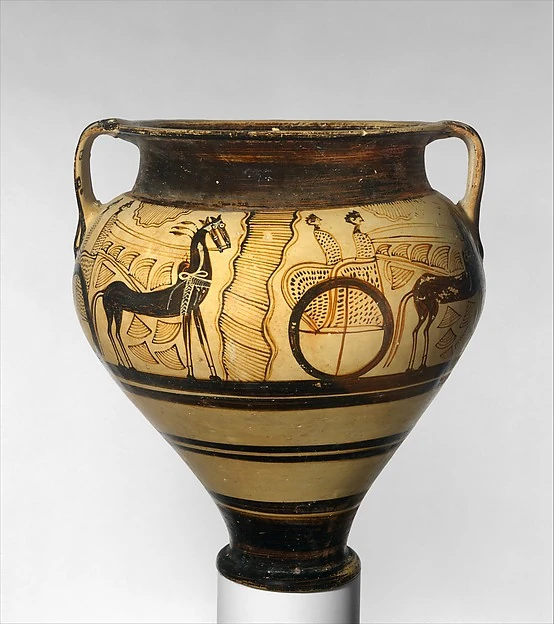
Terracotta chariot krater ca. 1375–1350 BCEIn Skald: Book 3, line 325 — Nestor offers Telemachus the chariot journey to Sparta.The Metropolitan Museum of Art
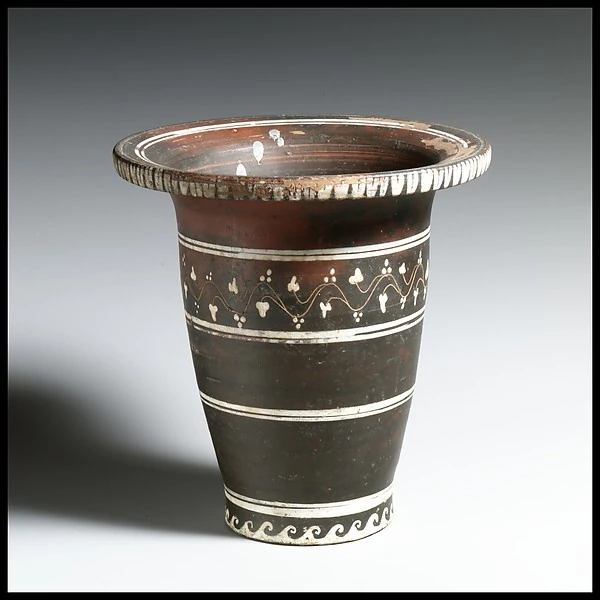
Terracotta kalathos (vase in the shape of a wool basket) ca. 325–300 BCEIn Skald: Book 4, line 131 — Helen’s silver wool-basket on wheels, and her golden distaff, at Sparta.The Metropolitan Museum of Art
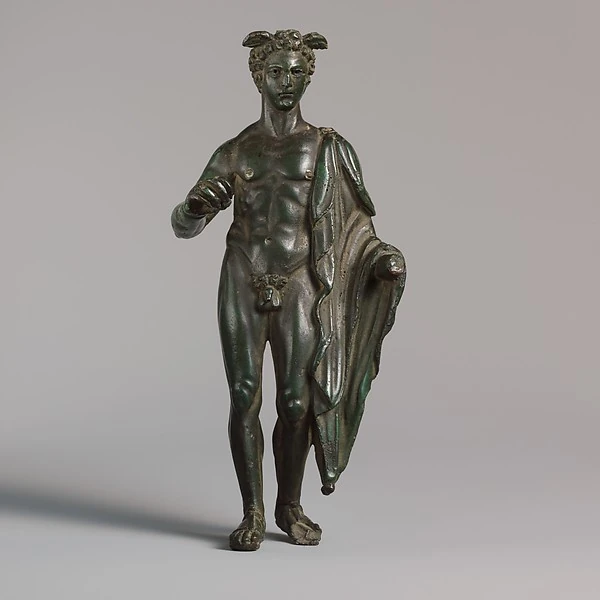
Bronze statuette of Mercury 1st century CEIn Skald: Books 5 & 10 museum panels — Hermes the messenger: Zeus’s envoy to Calypso, and Odysseus’ helper against Circe.The Metropolitan Museum of Art
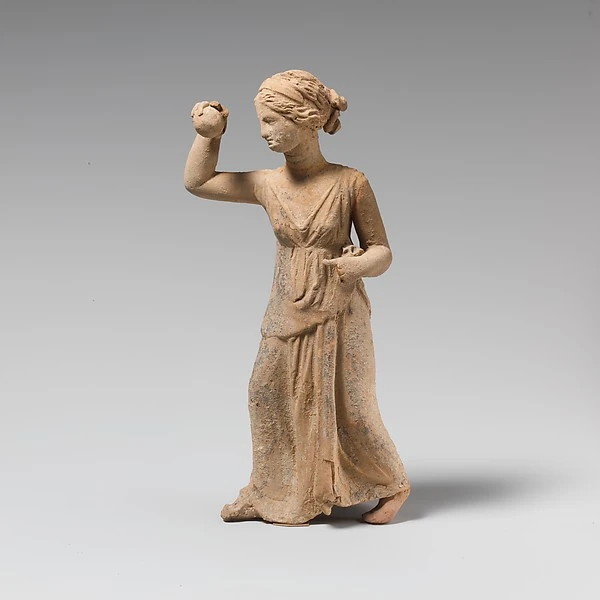
Terracotta statuette of a girl playing ball 3rd century BCEIn Skald: Book 6, line 100 — Nausicaa and her maids play ball by the river after the laundry.The Metropolitan Museum of Art
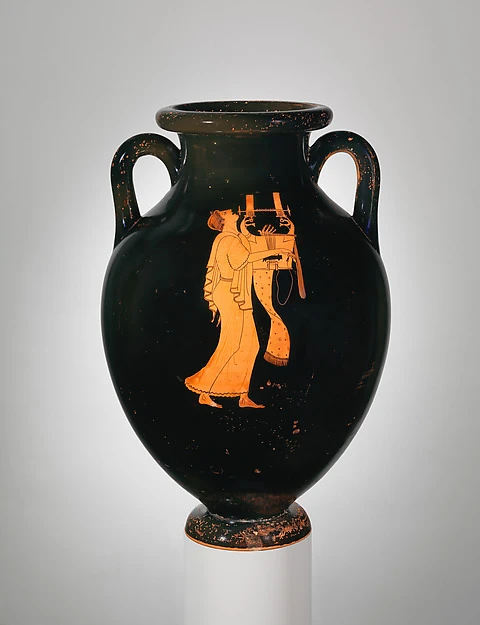
Terracotta amphora (jar) Attributed to the Berlin Painter · ca. 490 BCEIn Skald: Book 8, line 499 — Demodocus sings the wooden horse, and Odysseus weeps.The Metropolitan Museum of Art
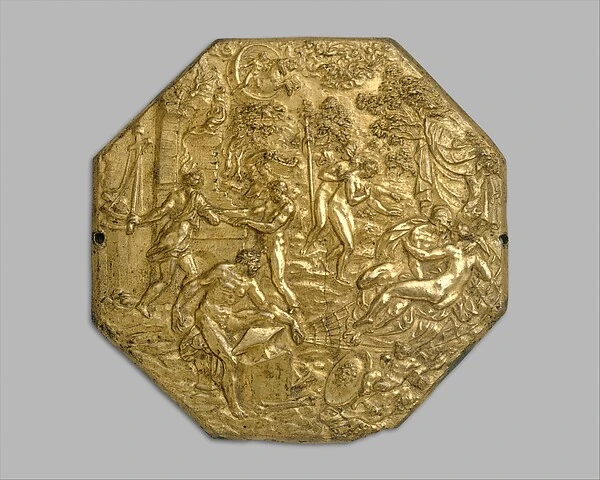
Mars and Venus Trapped by Vulcan After Guglielmo della Porta · late 16th centuryIn Skald: Book 8, line 296 — Hephaestus’ net traps Ares and Aphrodite in Demodocus’ second song.The Metropolitan Museum of Art
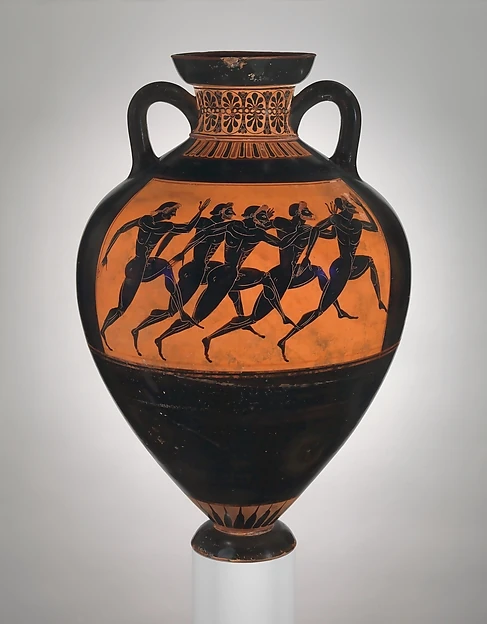
Terracotta Panathenaic prize amphora Attributed to the Euphiletos Painter · ca. 530 BCEIn Skald: Book 8, line 120 — athletes race in the Phaeacian games.The Metropolitan Museum of Art
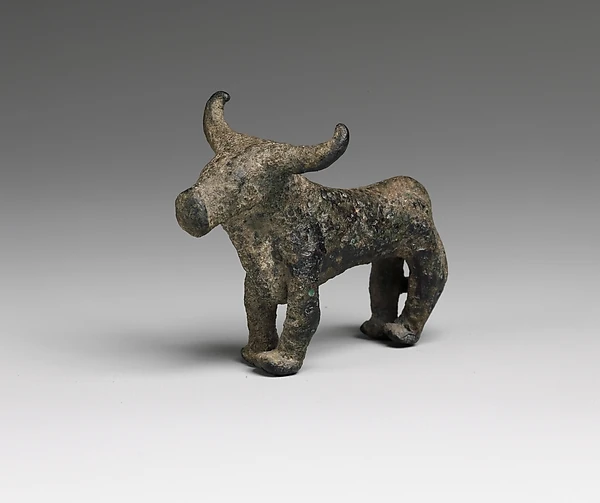
Bronze bull ca. 1400–1200 BCE or laterIn Skald: Book 3 museum panel — Nestor honors Athena with a great sacrifice at Pylos.The Metropolitan Museum of Art
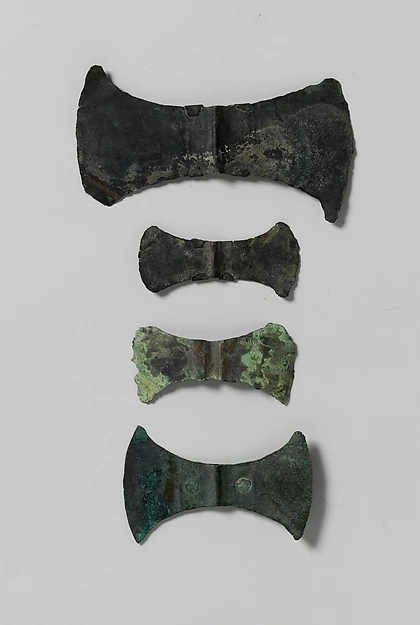
Bronze double-ax head ca. 1700–1450 BCEIn Skald: Book 21, line 120 — the twelve axe-heads stand in a row for the bow contest.The Metropolitan Museum of Art
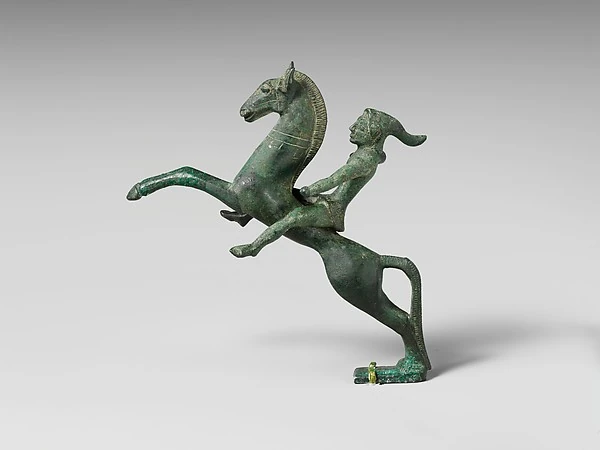
Bronze statuette of a Scythian mounted archer early 5th century BCEIn Skald: Book 21 museum panel — the trial of the great bow no suitor can string.The Metropolitan Museum of Art
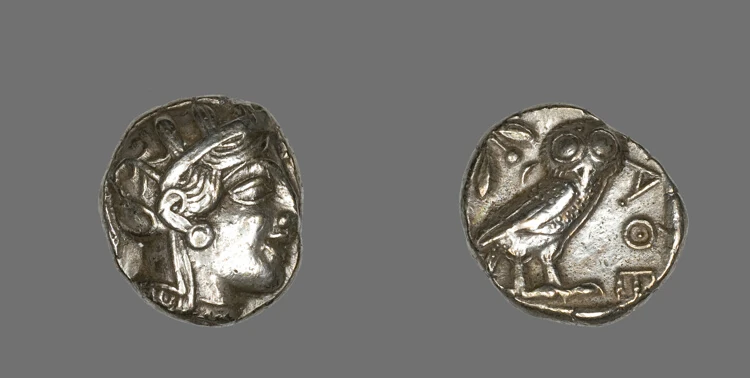
Tetradrachm (Coin) Depicting the Goddess Athena Greek, minted in Athens · about 490 BCEIn Skald: Books 1–4 museum panels — Athena at Telemachus’ side, first as Mentes, then as Mentor.The Art Institute of Chicago
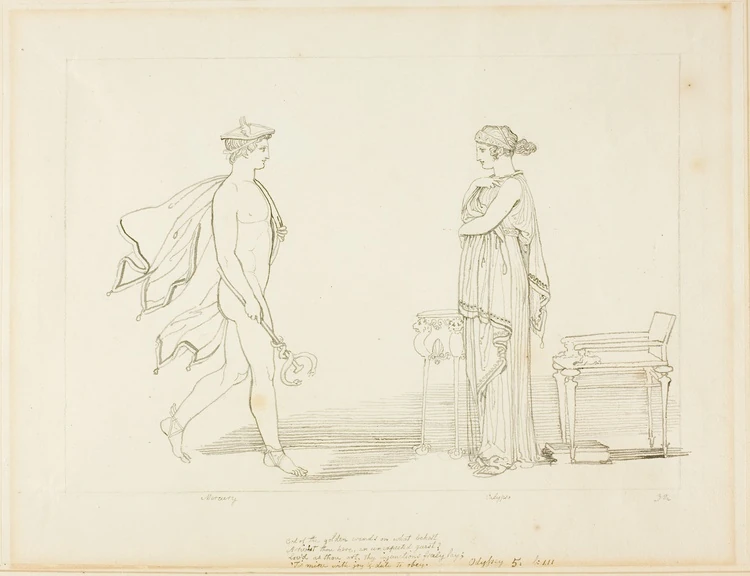
Mercury and Calypso John Flaxman, II, English, 1755-1826 · n.d.In Skald: Book 5 museum panel — Hermes faces Calypso with Zeus’s command to let Odysseus go.The Art Institute of Chicago
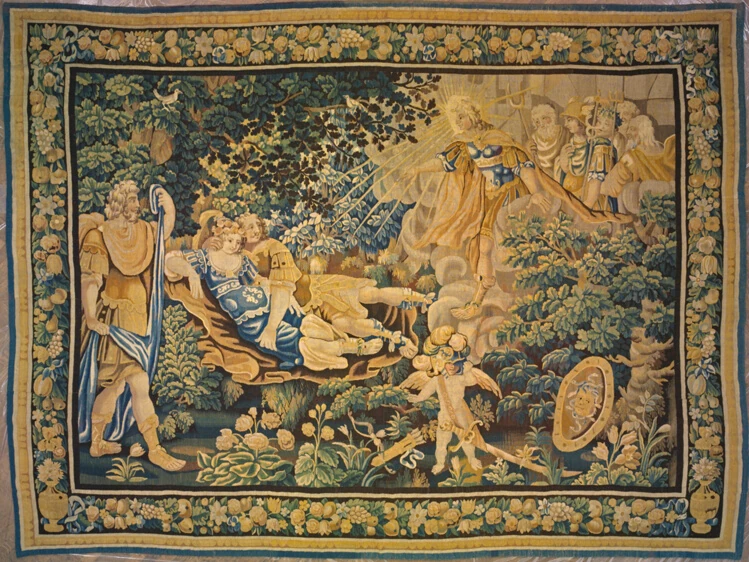
Apollo Exposing Mars and Venus to the Ridicule of the Olympians, from Ovid's Metamorphoses France, possibly Aubusson · c. 1650In Skald: Book 8 museum panel — all Olympus laughs at Ares and Aphrodite caught in Hephaestus’ net.The Art Institute of Chicago
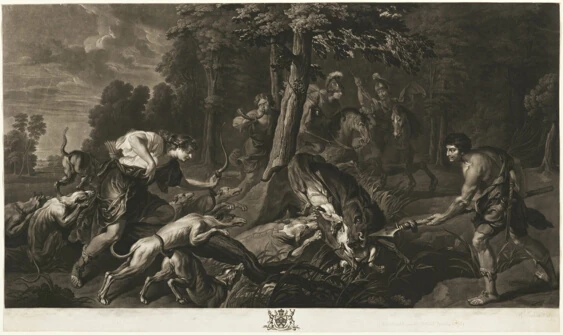
The Calydonian Boar Hunt, from the Houghton Gallery Richard Earlom (British, 1743-1822), after Peter Paul Rubens (Flemish, 1577-1640) · 1781In Skald: Book 19 museum panel — the boar-hunt scar by which the old nurse knows Odysseus.The Art Institute of Chicago
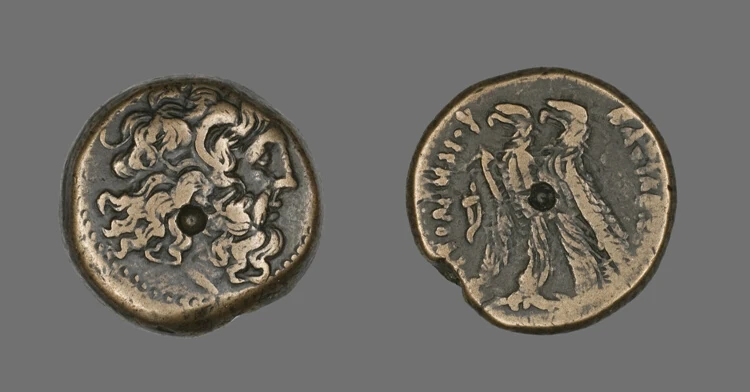
Coin Depicting the God Zeus Greek, Ptolemaic; minted in Egypt · 117–111 BCE, issued by Ptolemy IX (Soter II)In Skald: Books 19 & 20 museum panels — Zeus’s eagle omens: Penelope’s dream of the geese, and the eagle above the suitors’ feast.The Art Institute of Chicago
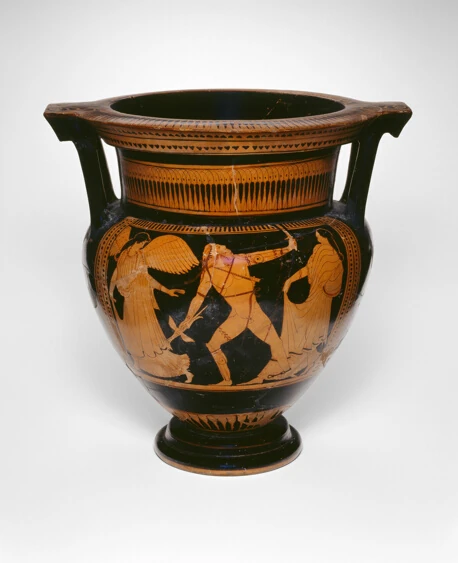
Column-Krater (Mixing Bowl) Attributed to a Member of the Earlier Mannerist Group, Greek; Athens · about 460 BCEIn Skald: Book 20, line 103 (also Books 7 & 8) — Zeus answers Odysseus’ pre-dawn prayer with a thunderclap.The Art Institute of Chicago
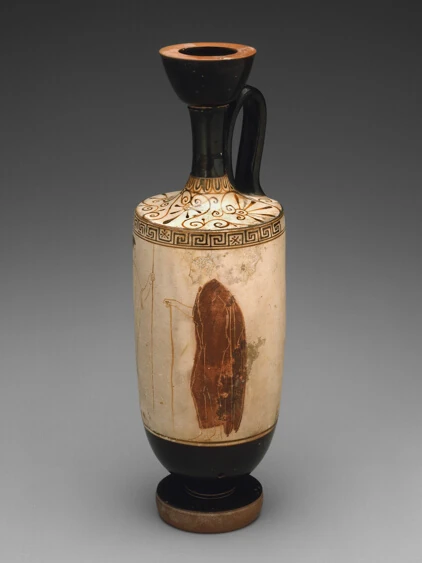
Lekythos (Oil Jar) Attributed to the Achilles Painter, Greek; Athens · 445-440 BCEIn Skald: Books 11 & 24 museum panels — Hermes leads the suitors’ souls down to the meadow of shadows.The Art Institute of Chicago
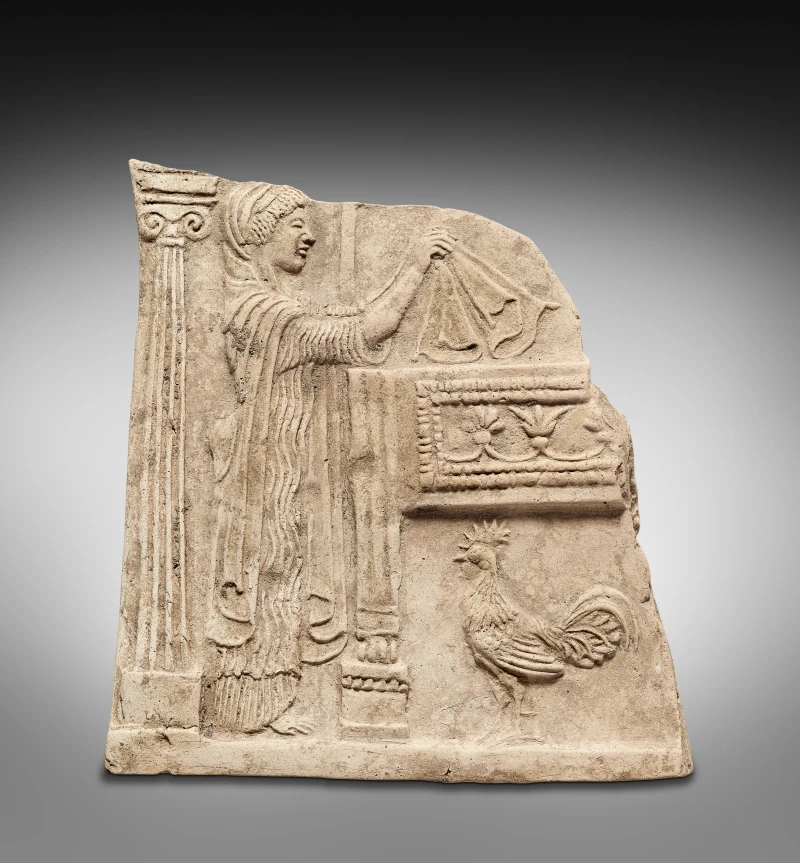
Votive Plaque (Pinax) with Persephone Making her Bridal Bed Greek, South Italian (Locri Epizephyrii) · c. 490–450 BCEIn Skald: Book 11 museum panel — Persephone’s shadowy house, where Odysseus meets the dead.Cleveland Museum of Art
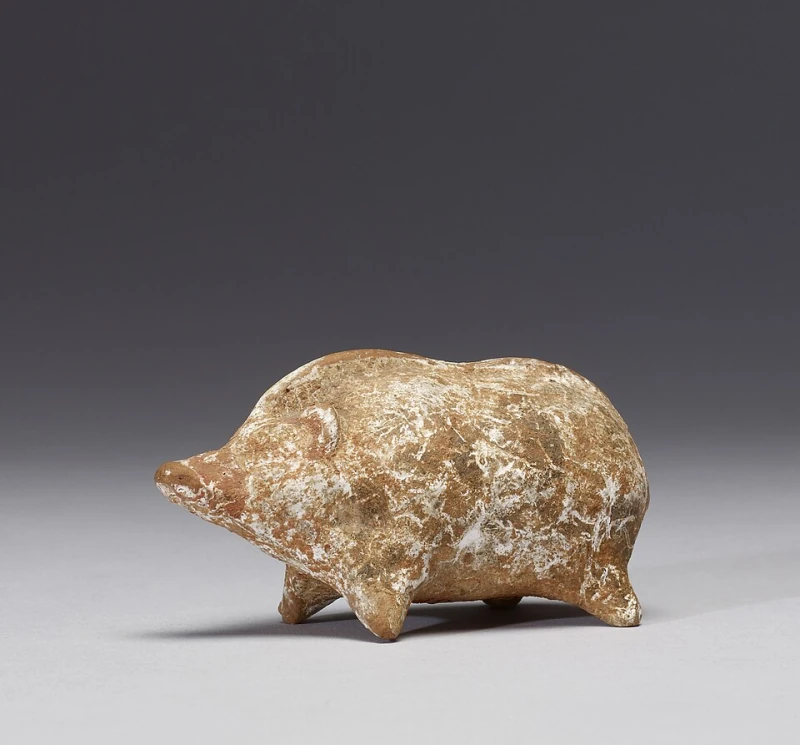
Pig Statuette Boeotian Greek workshop (unknown maker) · 5th century BCEIn Skald: Books 14–16 museum panels — the world of Eumaeus the swineherd, keeper of the household’s pigs.The Walters Art Museum, Baltimore
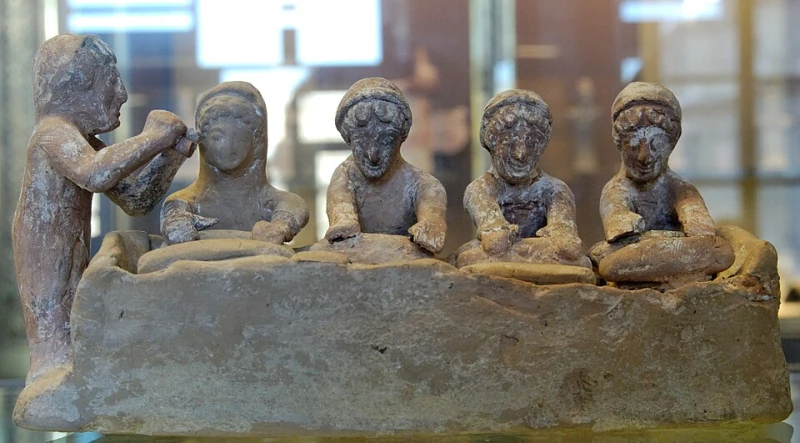
Group of figurines: women kneading dough with a flute-player Boeotian Greek (unknown maker), from Thebes · c. 525–475 BCEIn Skald: Book 20 museum panel — the mill-woman’s pre-dawn prayer for the suitors’ very last meal.Musée du Louvre, Paris · Photo: Marie-Lan Nguyen (Jastrow) / CC BY 2.5
By the numbers
10translationswas 9 at launch
221artworks in allwas 194 at launch
178with museum provenancewas 151 at launch
49museum collectionswas 46 at launch
280inline art plateswas 265 at launch
The new translation is live on the App Store today, and the full update — version 0.4.0 with the complete art expansion — is submitted on both stores and rolling out over the coming days. As always: one-time purchase, everything on your device.
Launch day: Skald: Odyssey is here
Skald: Odyssey is live on Android, iPhone, and iPad in the United States, Canada, Australia, and New Zealand. It is a complete Odyssey reader, built for curious adults and shared reading: all 24 books in source-grounded 1-, 5-, and 20-minute telling depths, the original Greek beside nine historical public-domain translations, and the voyage held together by the Nostos map, the fleet, and a Homeric glossary.
Reading with room to look closer: 194 artworks at launch — 151 museum pieces from 46 collections, plus public-domain paintings and engravings beside the text — paintings, prints, and ancient objects placed beside the passages they belong with, each keeping its source and rights details. Historical works are never blended with generated imagery; reconstructions live in a separate, labeled Sketch mode.
Skald is a one-time purchase with no subscription, no ads, no app account, and no in-app purchases. The reading library lives on your device.